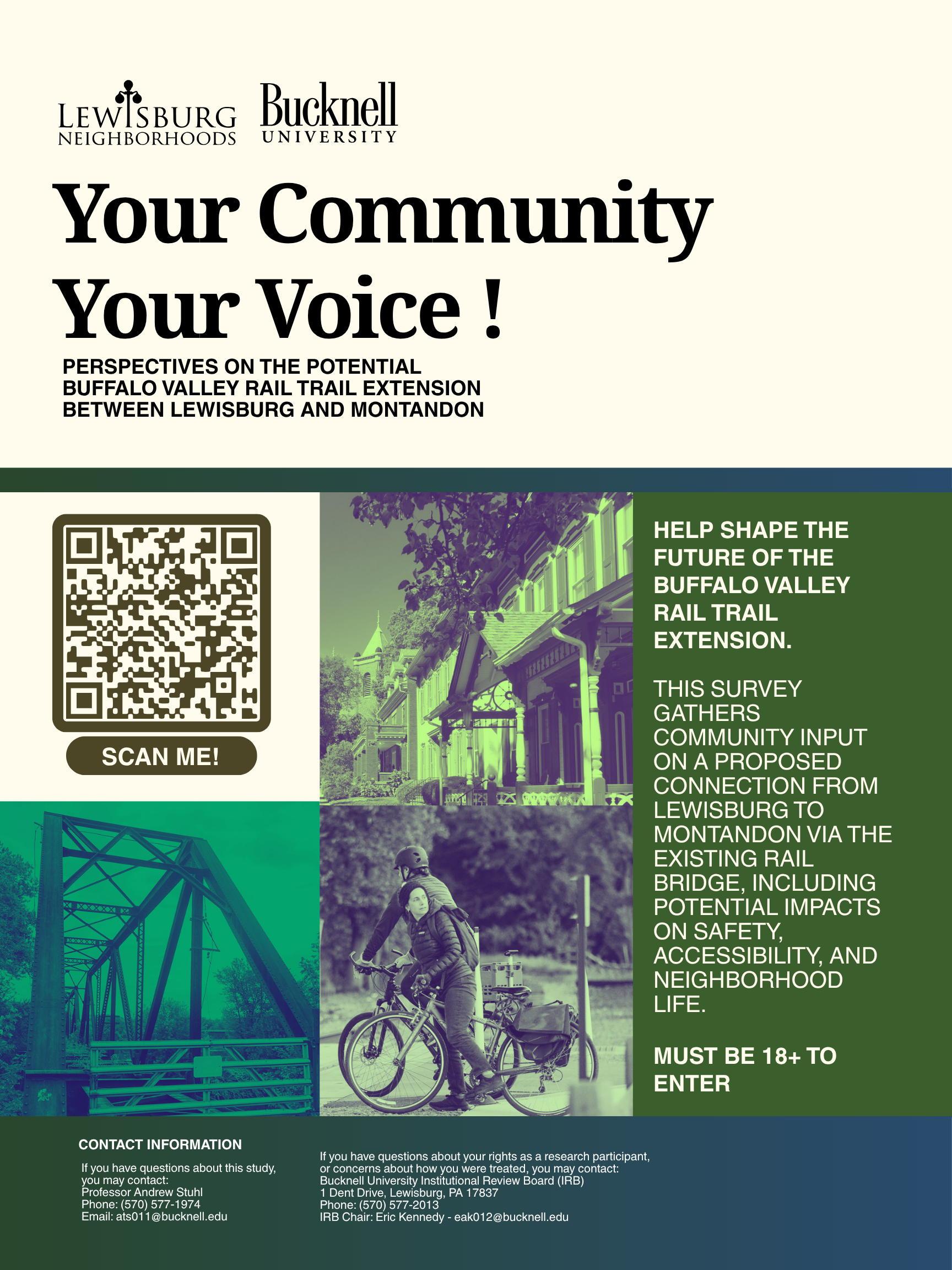
Buffalo Valley Rail Trail Poster
Community Research • Infrastructure Planning • Public Engagement

Buffalo Valley
Rail Trail
Extension
Community
Perception

A mixed-methods research project investigating the proposed expansion of the Buffalo Valley Rail Trail through Lewisburg and across the Susquehanna River into Montandon, Pennsylvania.
Research Team
Hannah Tran, Ella Miller & Kenny Truong
Community Infrastructure
Public Engagement
Mobility Systems
Stakeholder Mapping
Environmental Planning
GIS Analysis
Community Infrastructure
Public Engagement
Mobility Systems
Stakeholder Mapping
Environmental Planning
GIS Analysis

Reconnecting communities divided by infrastructure.

The Buffalo Valley Rail Trail Extension project explores the transformation of an abandoned railway bridge into a multimodal pedestrian and bicycle crossing connecting Lewisburg and Montandon. Conducted in partnership with Lewisburg Neighborhoods through Bucknell University’s ENST 411 community-based research program, the project focused on understanding public perception, infrastructural barriers, and stakeholder relationships surrounding the proposed expansion.


Interactive Corridor

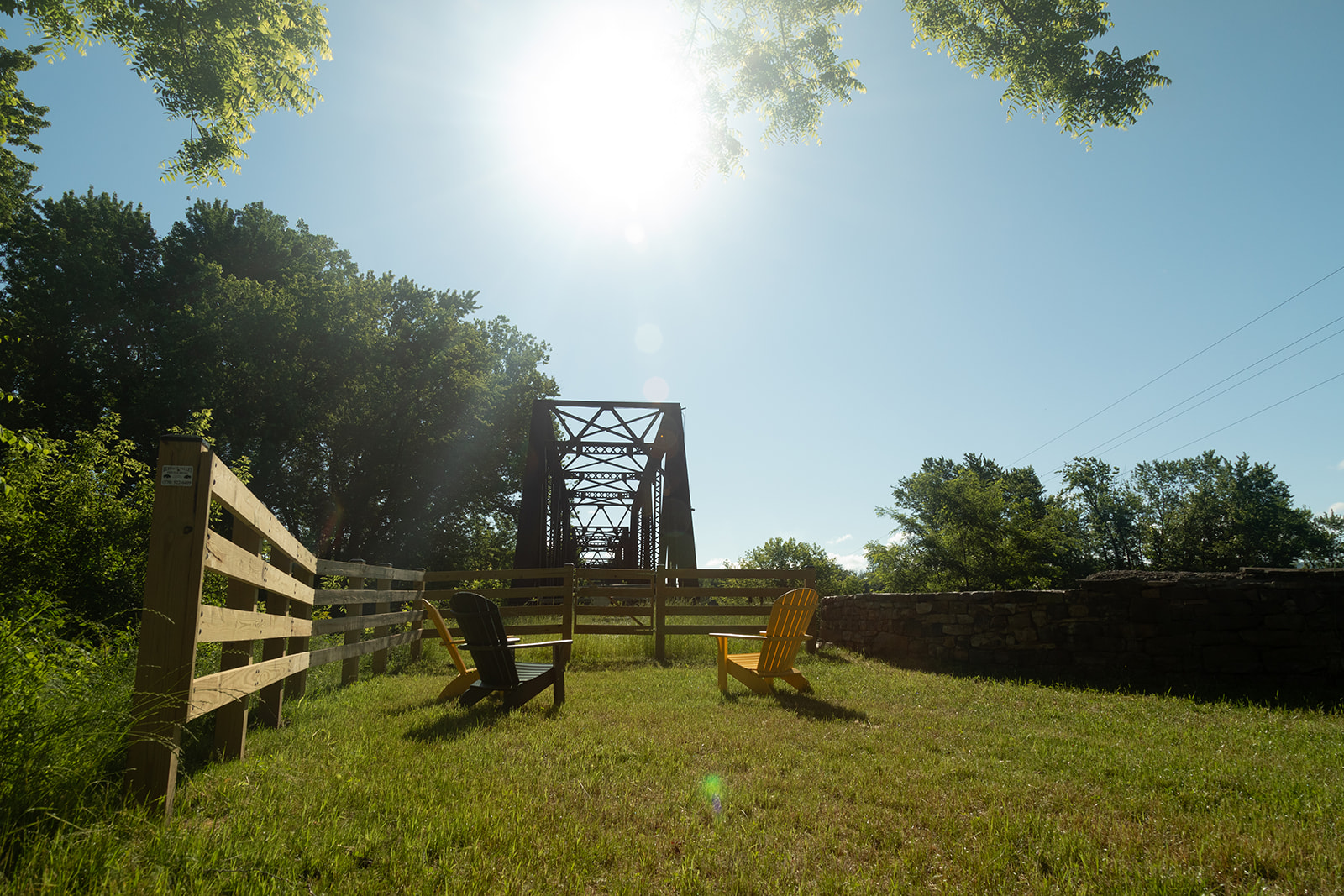
Proposed Extension Route

The proposed extension reconnects Lewisburg and Montandon through a multimodal pedestrian and cycling corridor crossing the Susquehanna River.

Two communities separated by infrastructure.

Although Lewisburg and Montandon sit directly across the river from one another, pedestrian and cycling infrastructure between the two communities remains fragmented and heavily vehicle-oriented. Existing crossings are limited by major barriers such as US-15 and the Route 45 bridge.

Lewisburg

Dense and walkable downtown, active commercial corridors, visible cycling infrastructure, and stronger pedestrian movement patterns.

Montandon

Rural and vehicle-oriented planning, fragmented pedestrian infrastructure, lower commercial density, and limited multimodal access.

Central Theme

The infrastructural and socioeconomic divide between the two communities became one of the defining narratives of the project.

Mixed Methods • Community Research • Systems Analysis

Research as infrastructure storytelling.

The project used a mixed-methods framework combining qualitative and quantitative methodologies. Research emphasized community engagement, public communication, and the intersection between infrastructure, identity, and mobility systems.

Stakeholder Mapping Infrastructure Analysis Mobility Research Public Surveys GIS Mapping Community Observation

Mobility Demand

Field observations and regional movement analysis revealed strong demand for safer multimodal infrastructure throughout the region.

Political Framing

Interviews suggested that environmental and infrastructure projects are often interpreted through partisan lenses, making framing critically important.

Community Trust

Infrastructure development is shaped not only by engineering feasibility, but also by trust, governance, and historical identity.

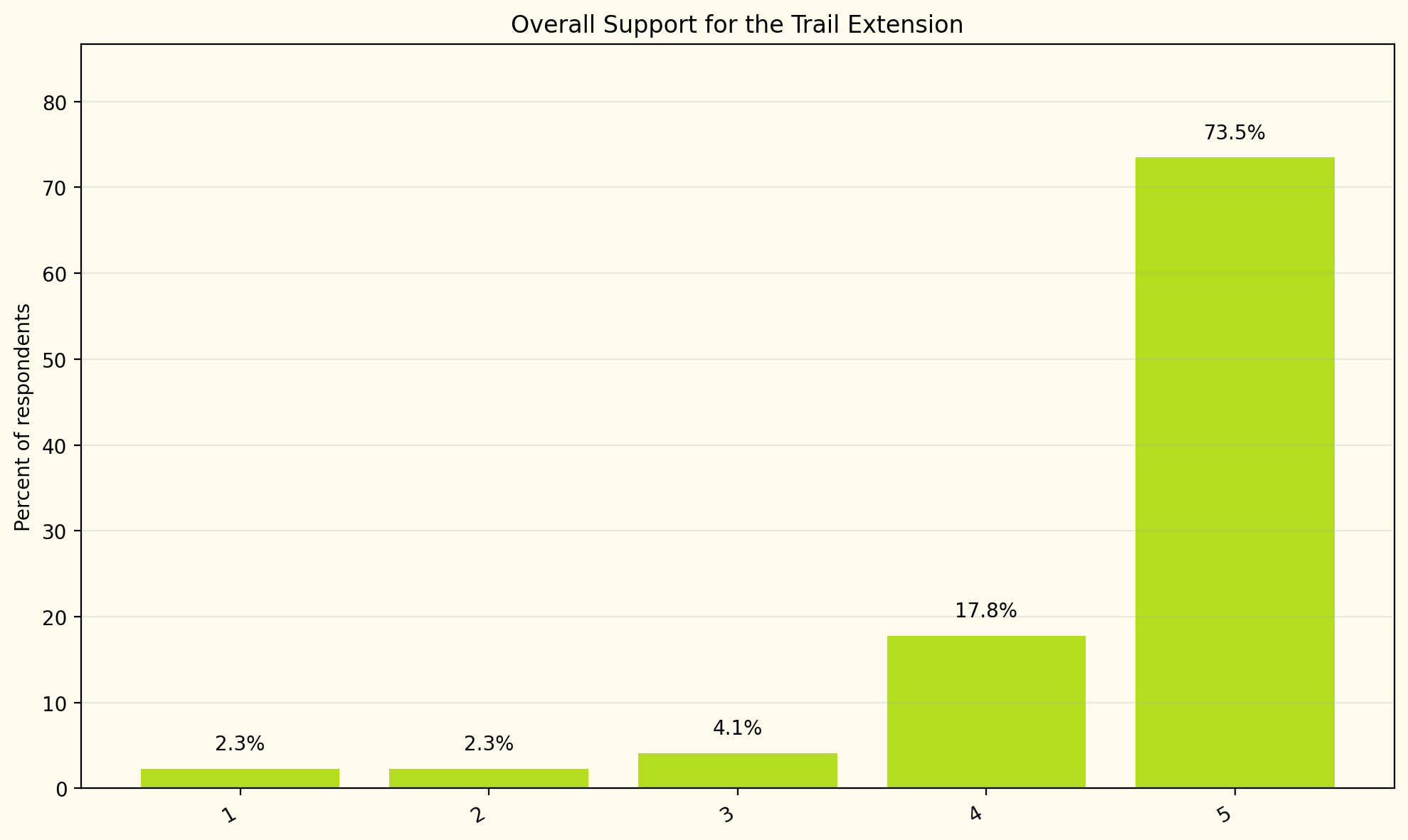
Public perception strongly supported the proposed extension.

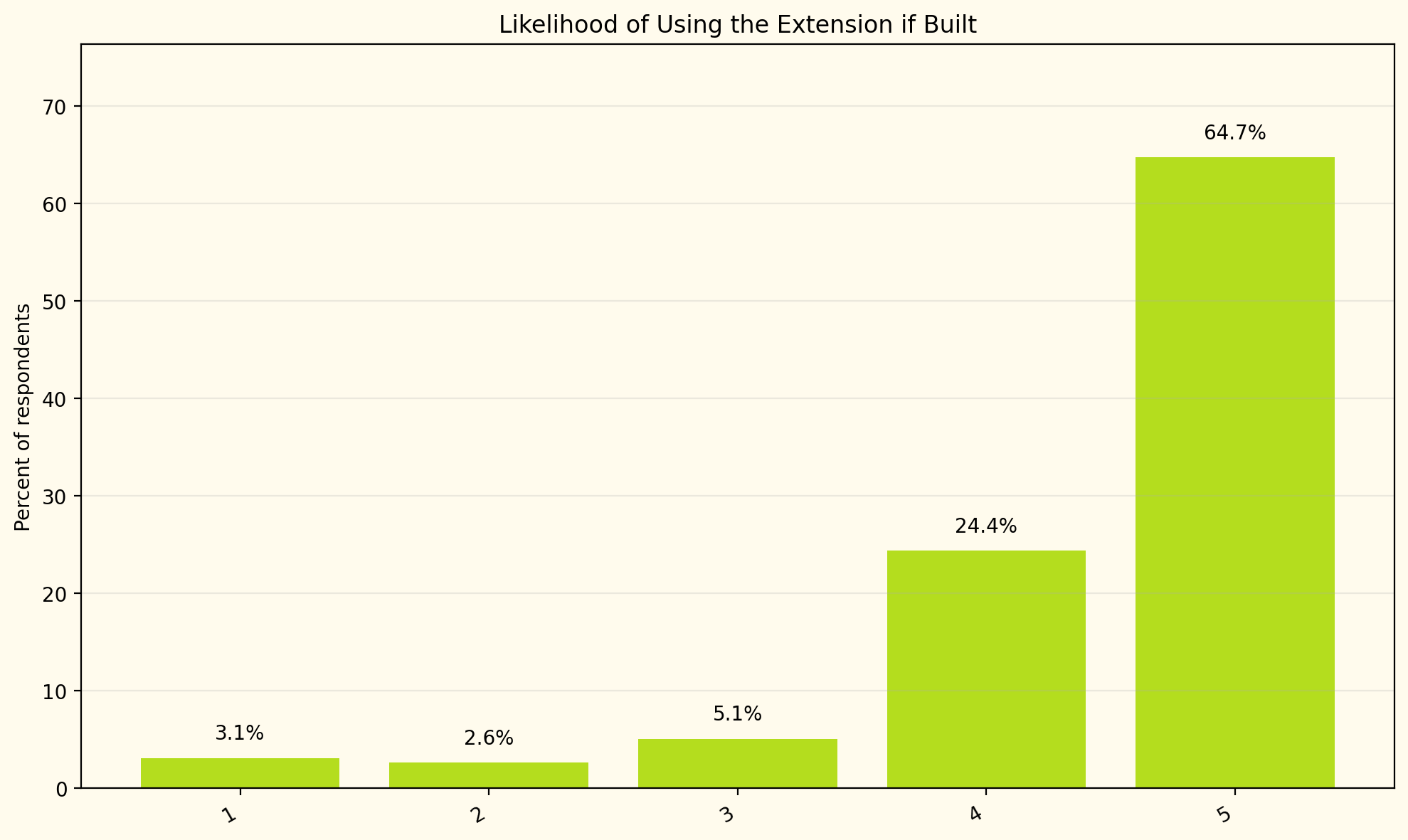
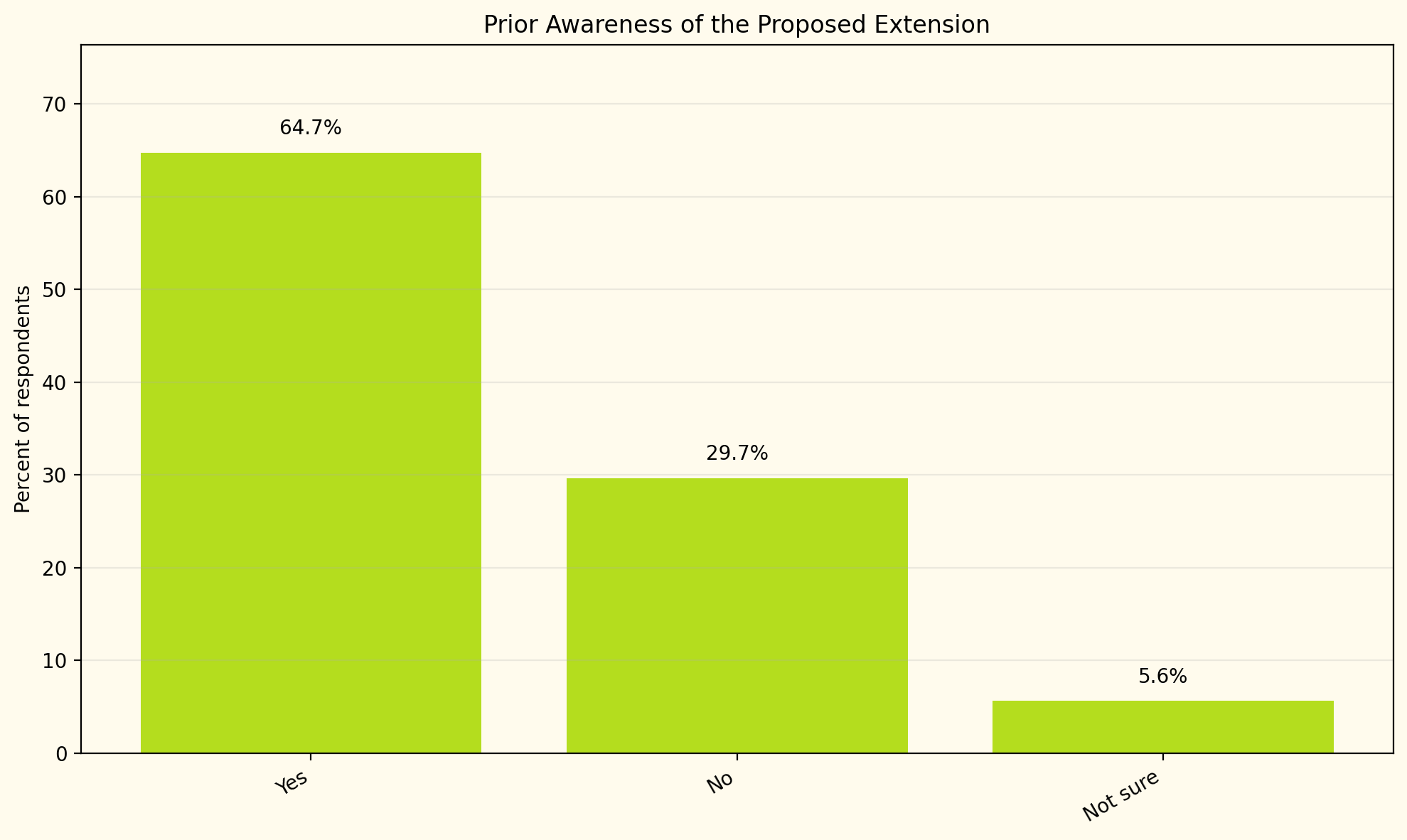
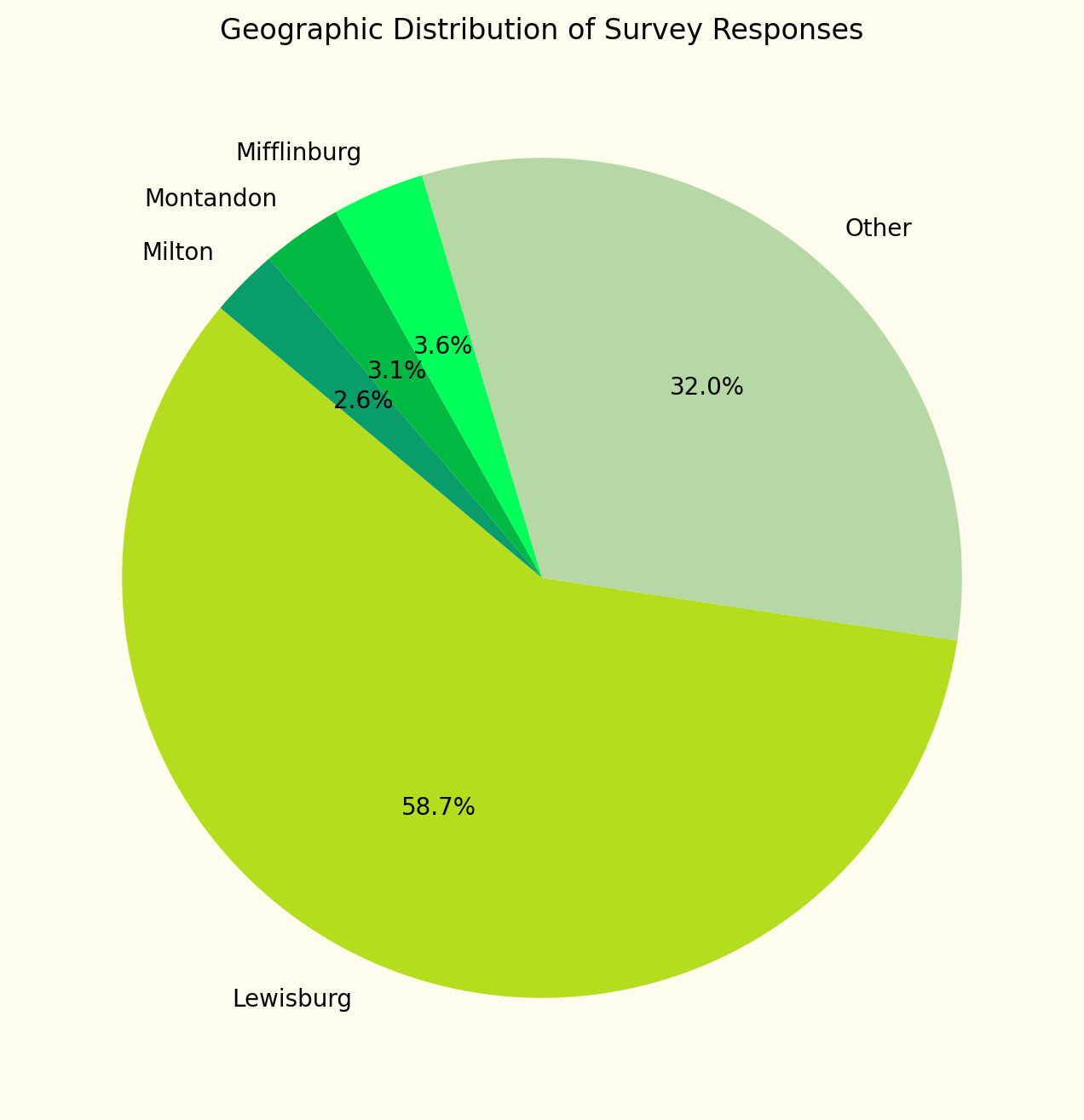
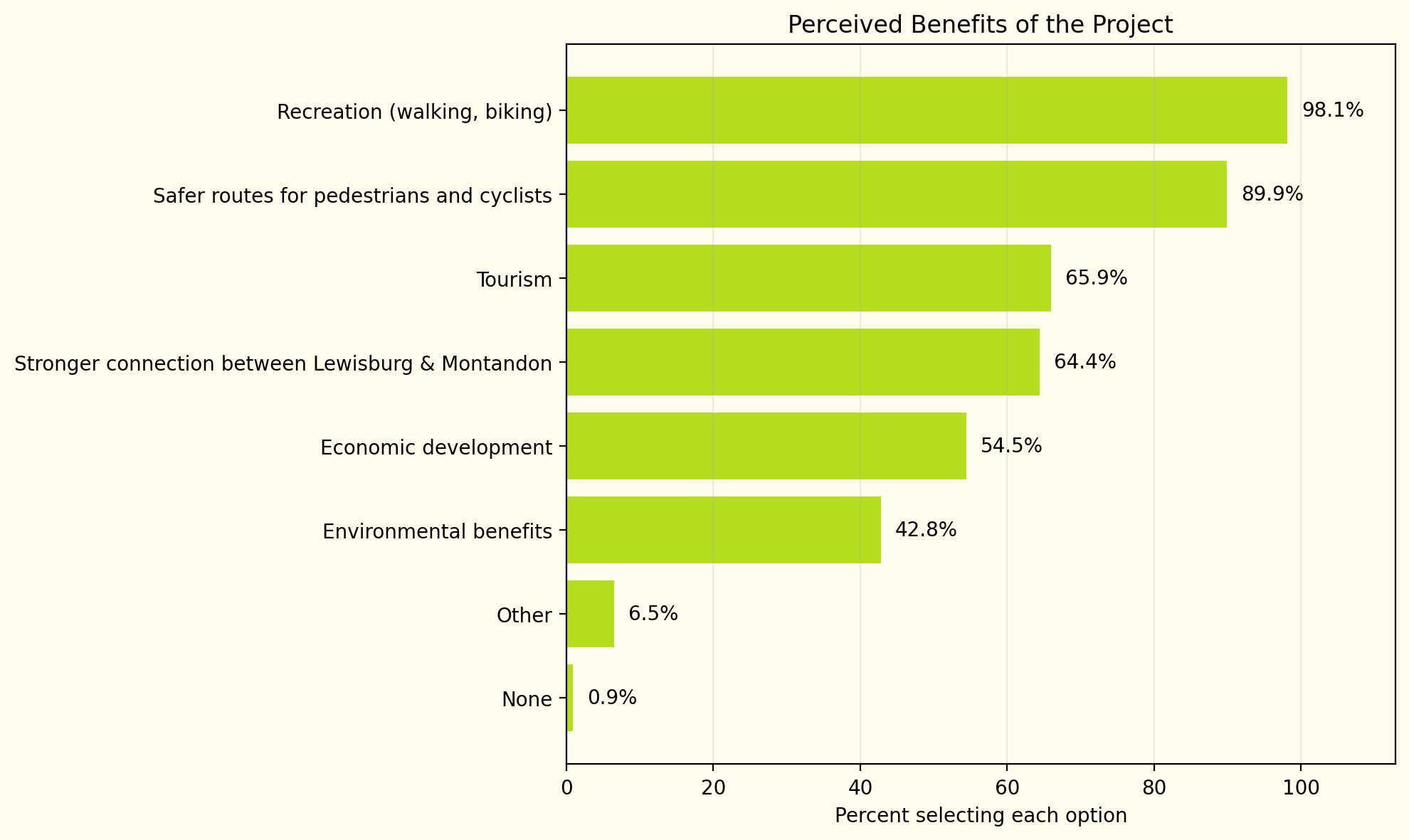
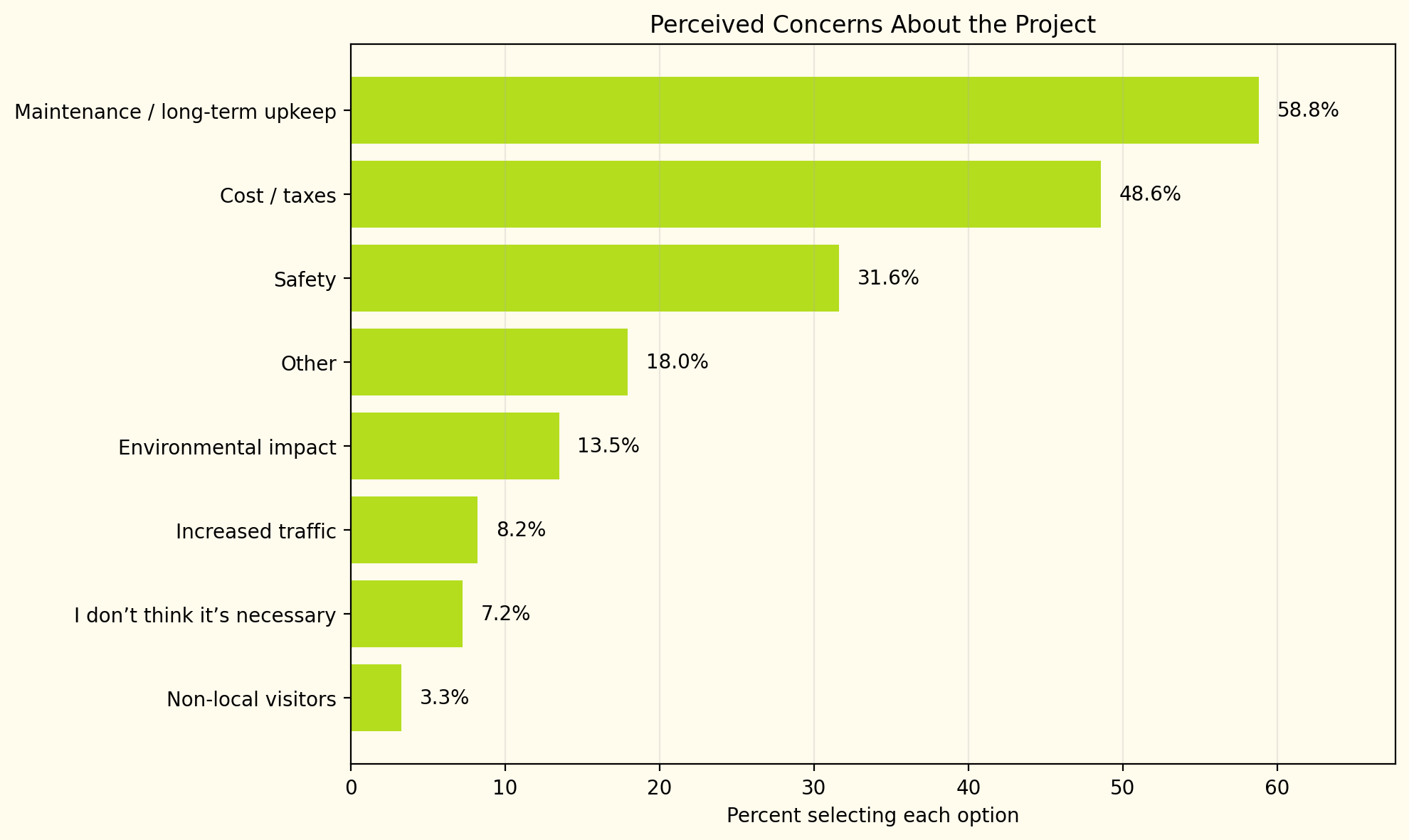
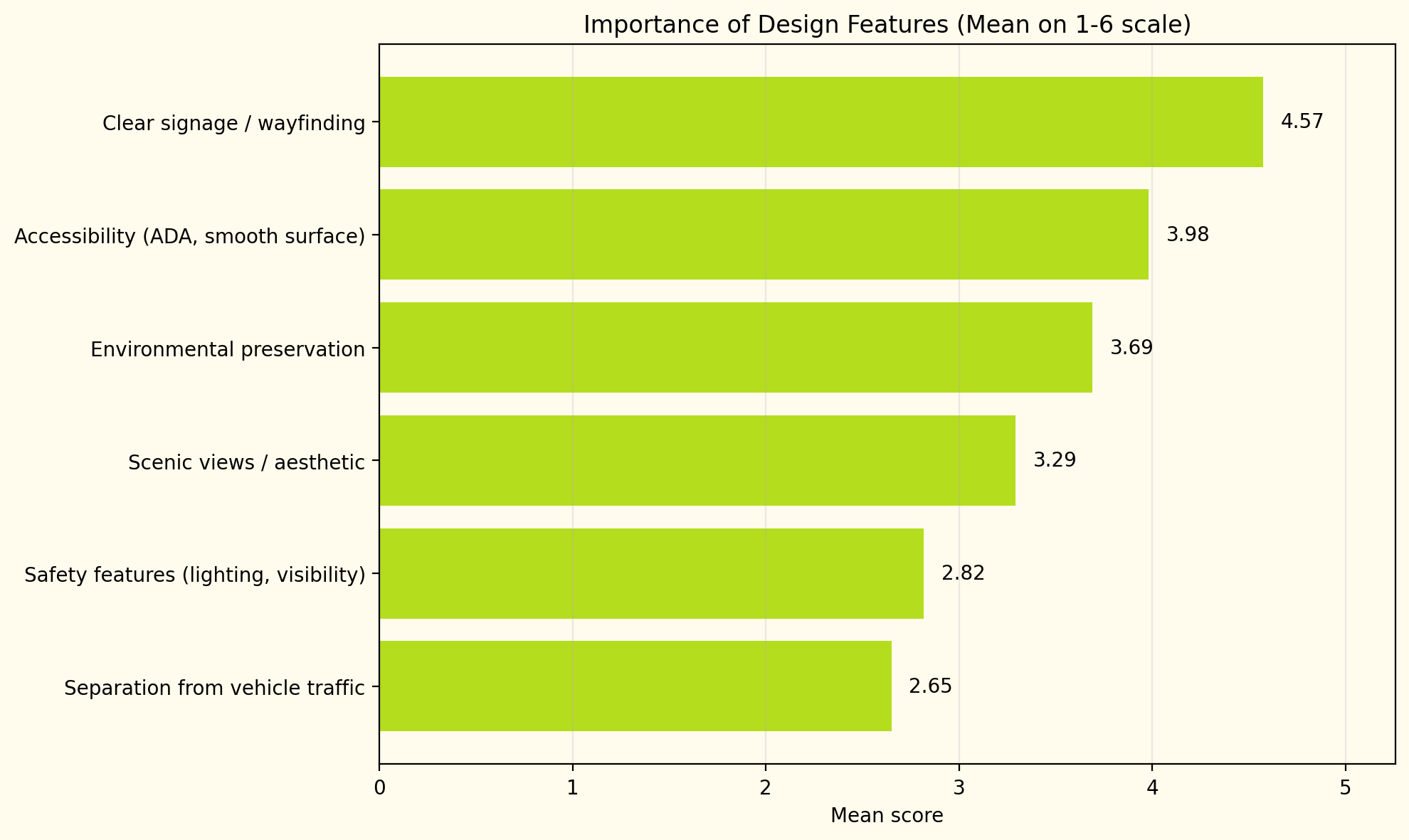
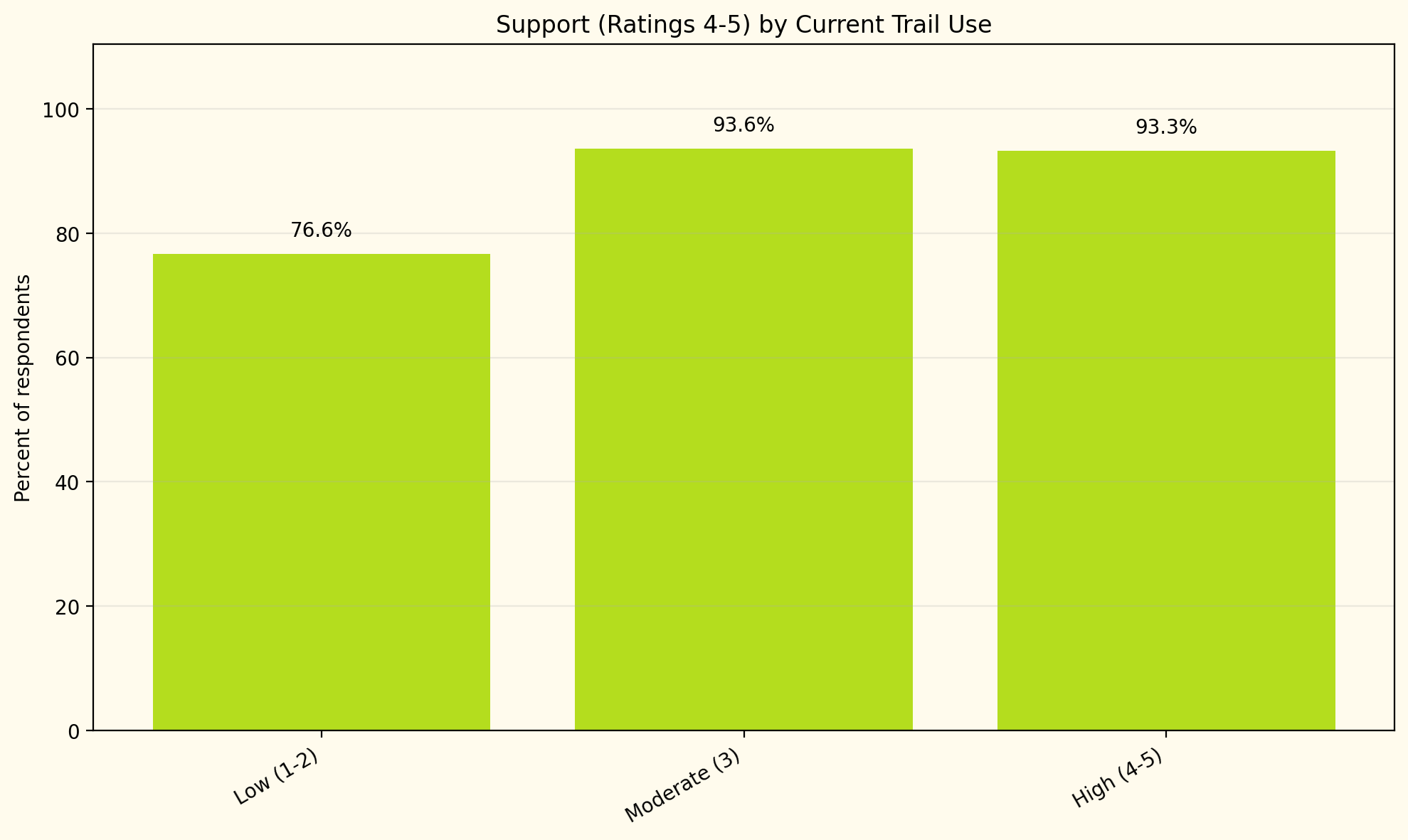
Survey responses revealed overwhelming support for the proposed Buffalo Valley Rail Trail extension, particularly among Lewisburg respondents and current trail users. Findings also highlighted strong perceived recreational and connectivity benefits alongside concerns surrounding long-term maintenance and project funding.

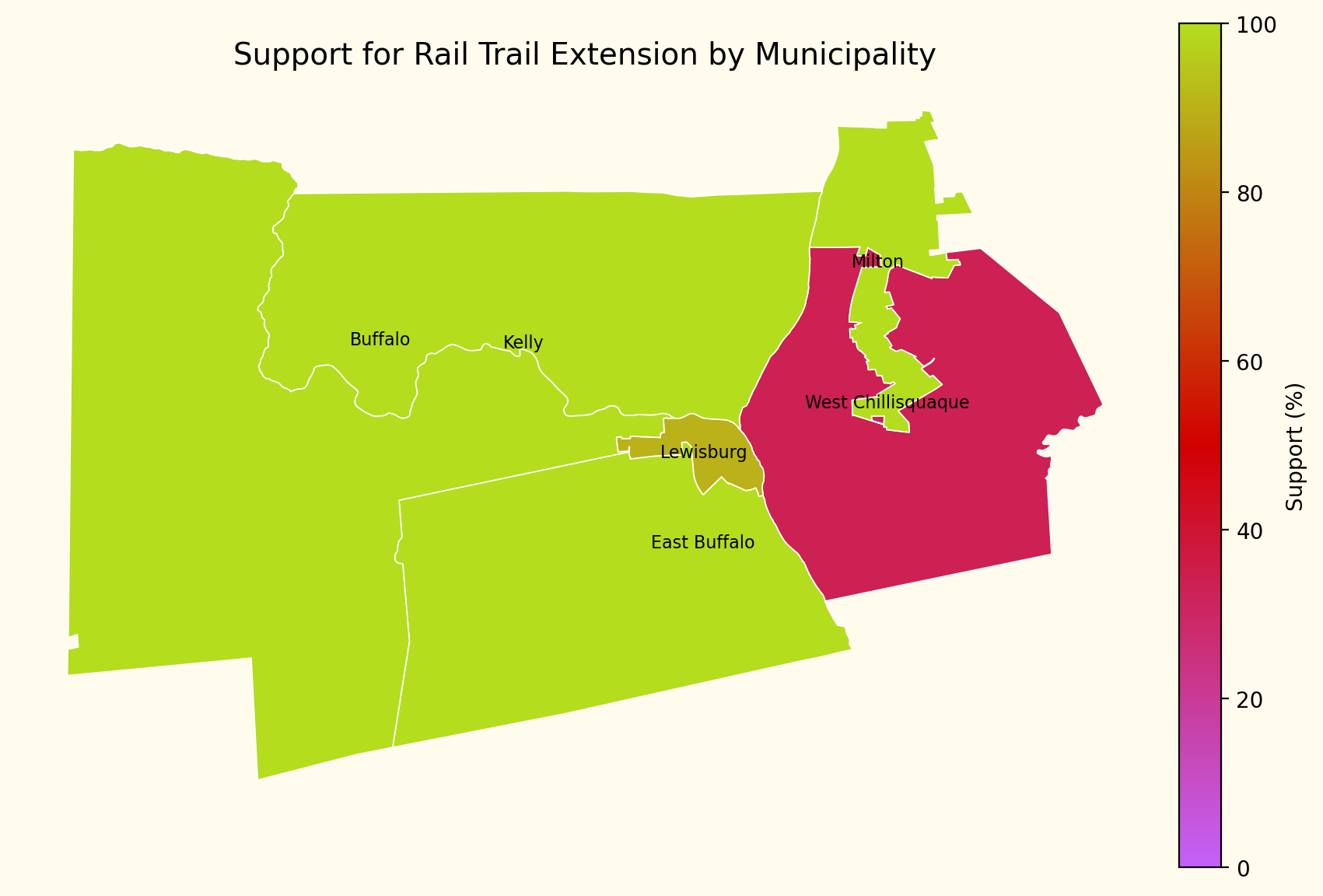
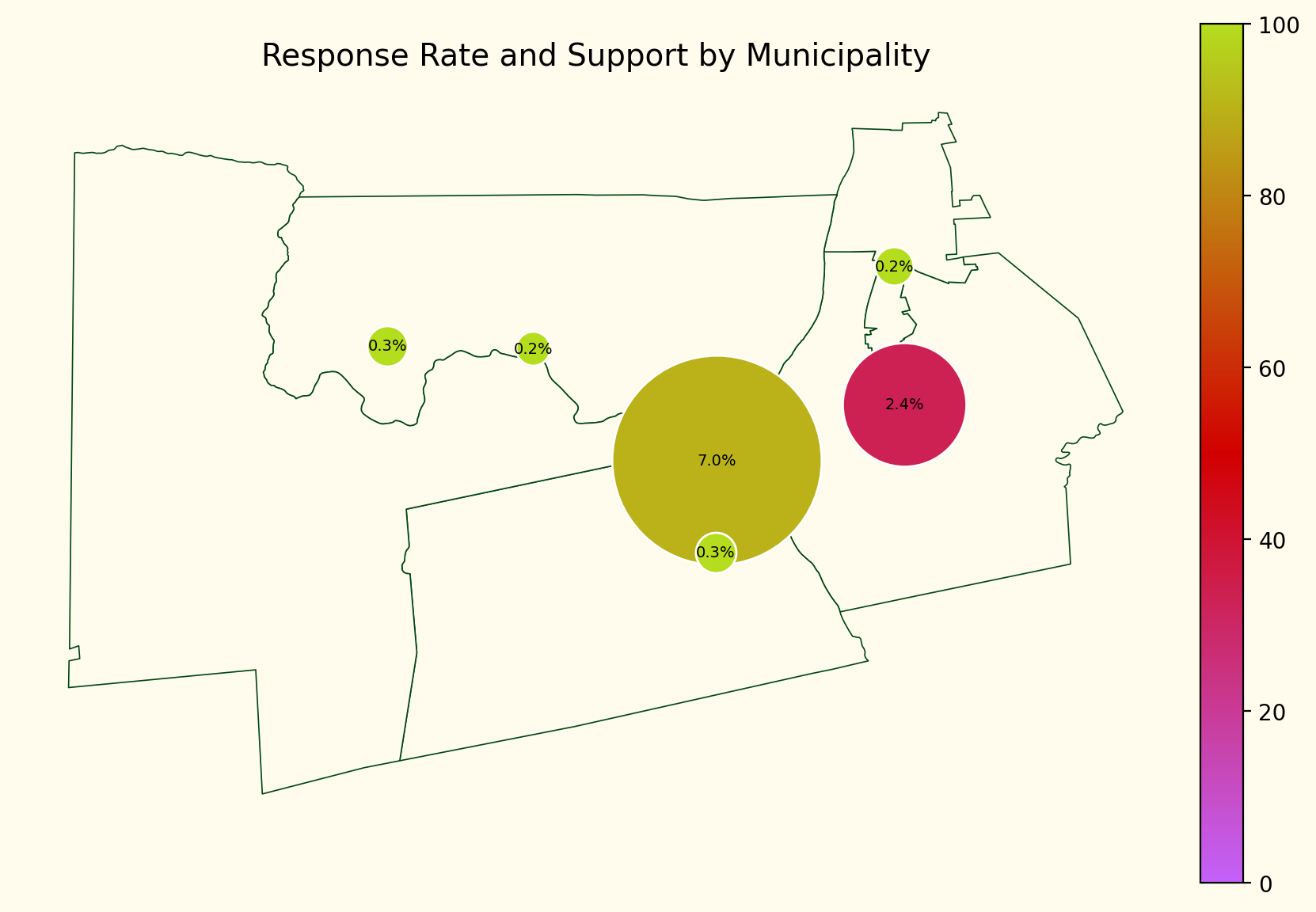
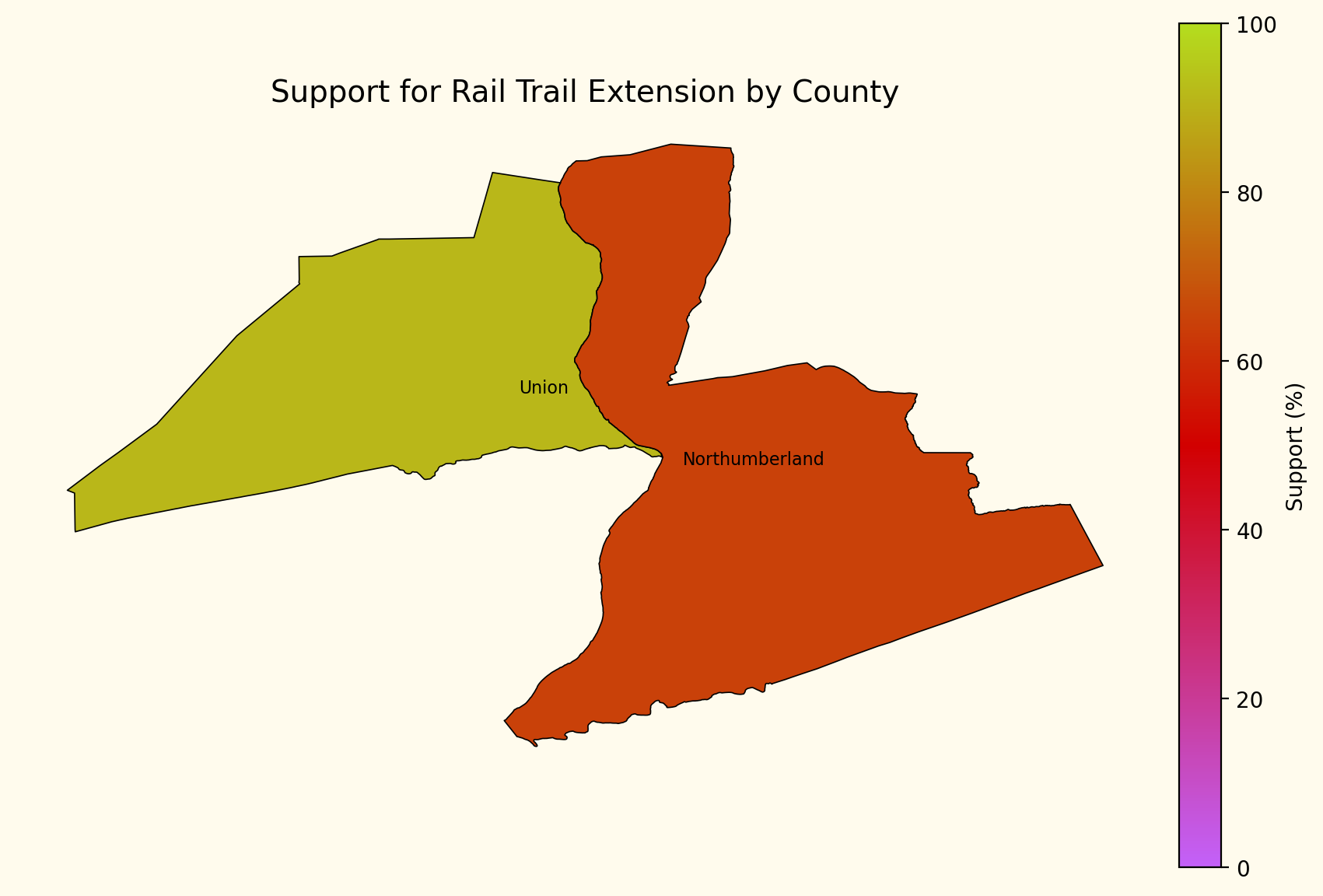
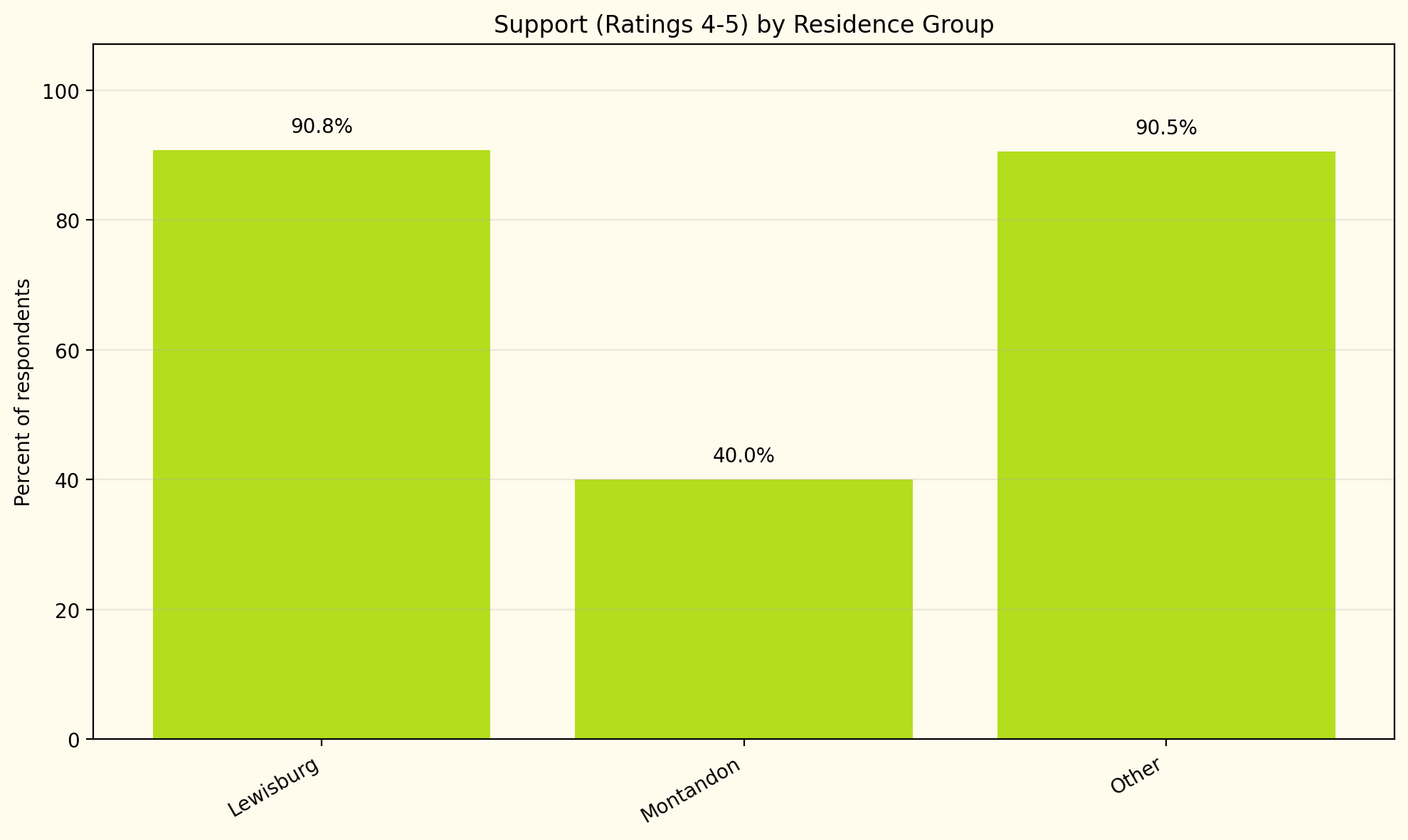
Support varied dramatically across municipal boundaries.

One of the most significant findings of the project was the geographic divide between Lewisburg and Montandon responses. Lewisburg residents showed overwhelming support for the extension, while support levels among Montandon respondents were significantly lower.

This revealed how infrastructure projects are not simply technical systems, but are deeply tied to political identity, community trust, and local perceptions of change.

Residents perceived both major opportunities and major responsibilities.

Perceived Benefits
Perceived Concerns

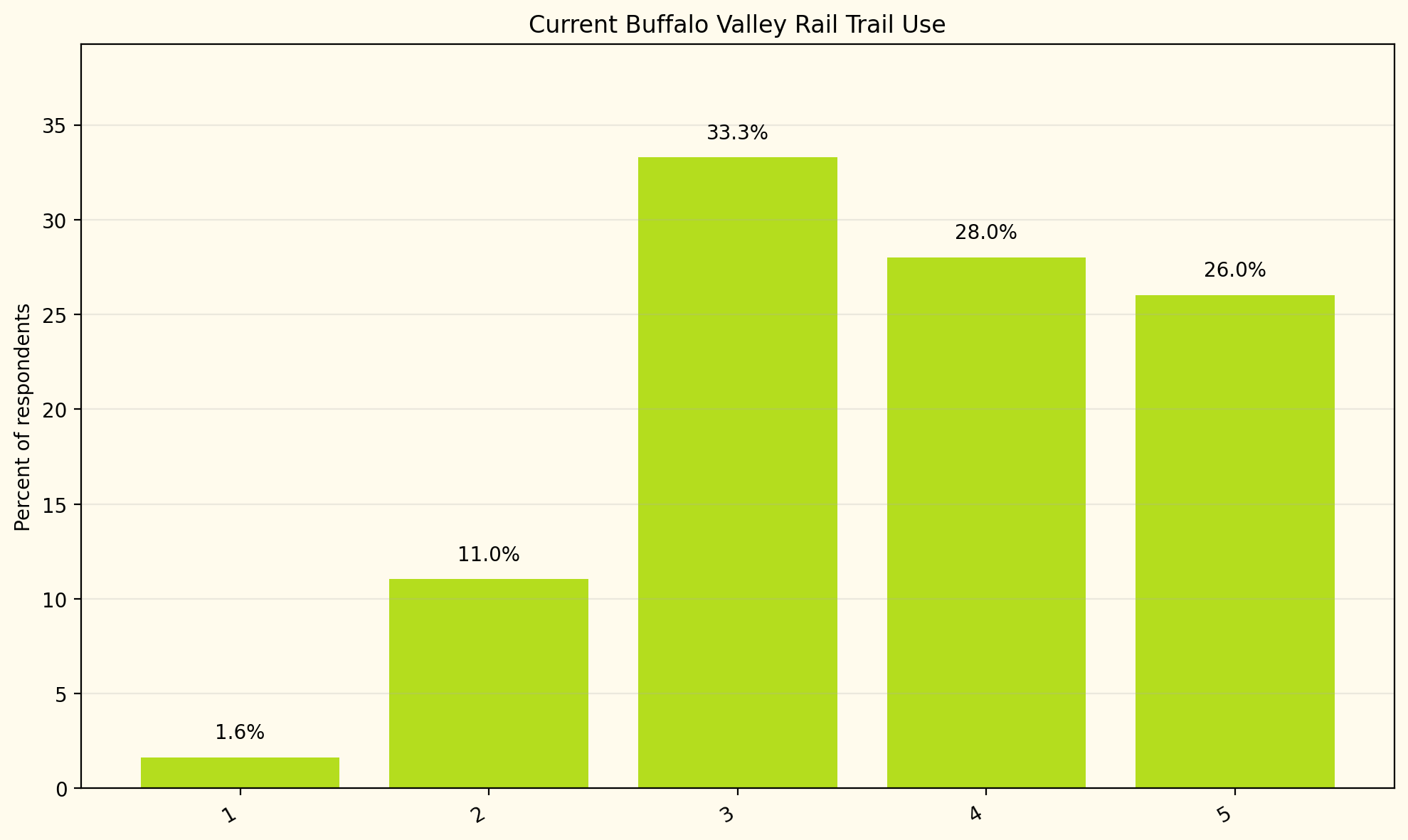
Existing trail users demonstrated the highest support levels.

Current Buffalo Valley Rail Trail users consistently reported stronger support for the extension and higher projected usage rates. The data suggests that familiarity with existing trail infrastructure strongly correlates with support for future expansion.

Translating planning into public understanding.

Alongside research and analysis, the project involved extensive visual communication work including trail mapping, outreach graphics, stakeholder diagrams, and infrastructure visualization.

Infrastructure is never just infrastructure.

This project fundamentally reshaped how I think about mobility, sustainability, and community systems. Rather than treating infrastructure as purely technical, the research demonstrated how mobility systems are deeply tied to identity, access, political culture, and public trust.

View Full Research Report

The research team would like to thank Professor Andrew Stuhl of the Department of Environmental Studies and Sciences for his guidance throughout the project.

We are deeply grateful to Taylor Lightman and the Lewisburg Neighborhoods team for their partnership and continued support of community-based research initiatives.

Additional thanks to Shaunna Barnhart of the Bucknell Ecology Center, Jim Mathias of the Miller Center, Bob Pardoe of the Montandon Planning Commission, Mayor Kendy Alvarez, Sam Pearson and the Lewisburg Borough Council, as well as the many local businesses and organizations that supported survey outreach and public engagement efforts throughout the project.